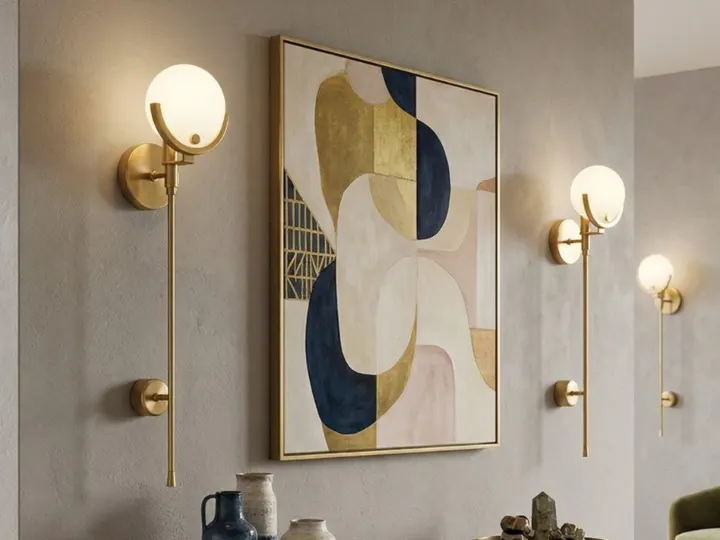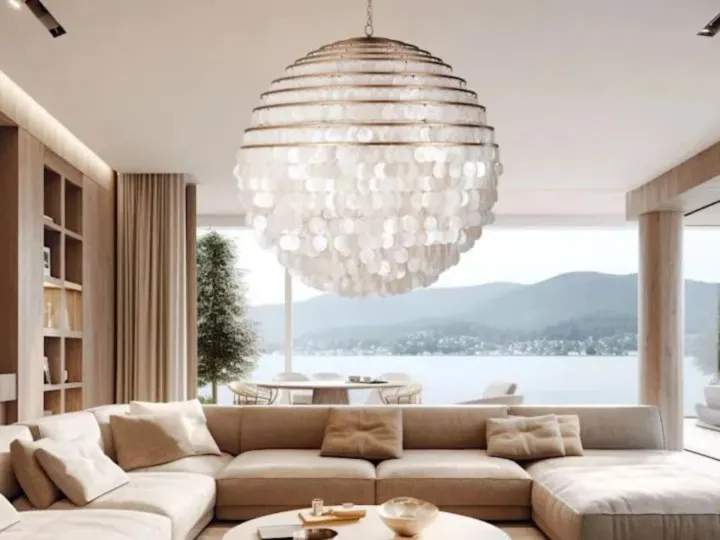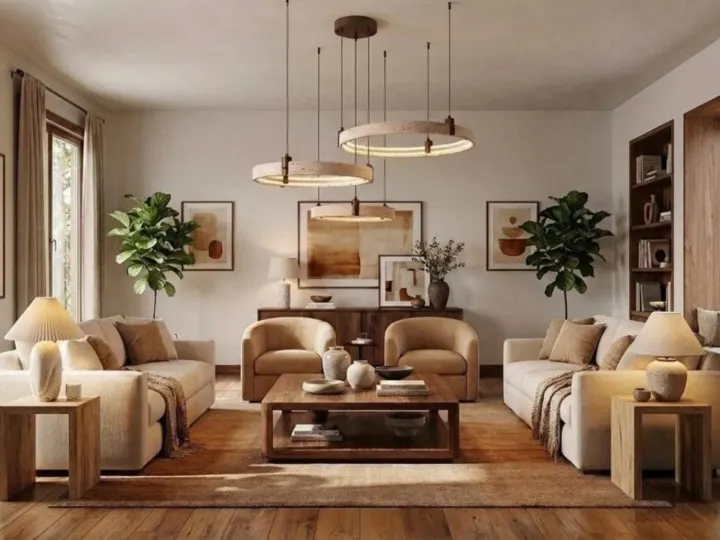
A glass globe pendant light can bring shape, visual balance, and focused illumination to a room without requiring elaborate decoration. Its rounded shade works with contemporary furniture, natural wood, brass details, marble surfaces, and understated neutral interiors. Whether you are updating a kitchen island, refreshing a dining area, or looking for a sculptural light for your entryway, the right globe pendant can help tie the room together.
At Travertine Lighting, our focus is the modern home décor and lighting space, where thoughtful fixture design meets practical interior choices. Glass globe pendants offer another way to explore that design approach: combine simple forms with carefully selected materials, consider how the light will be used, and choose a fixture that suits the room rather than following a trend blindly.
Here are 15 ideas to inspire your next lighting update, along with useful considerations to help you choose a style that works in your home.
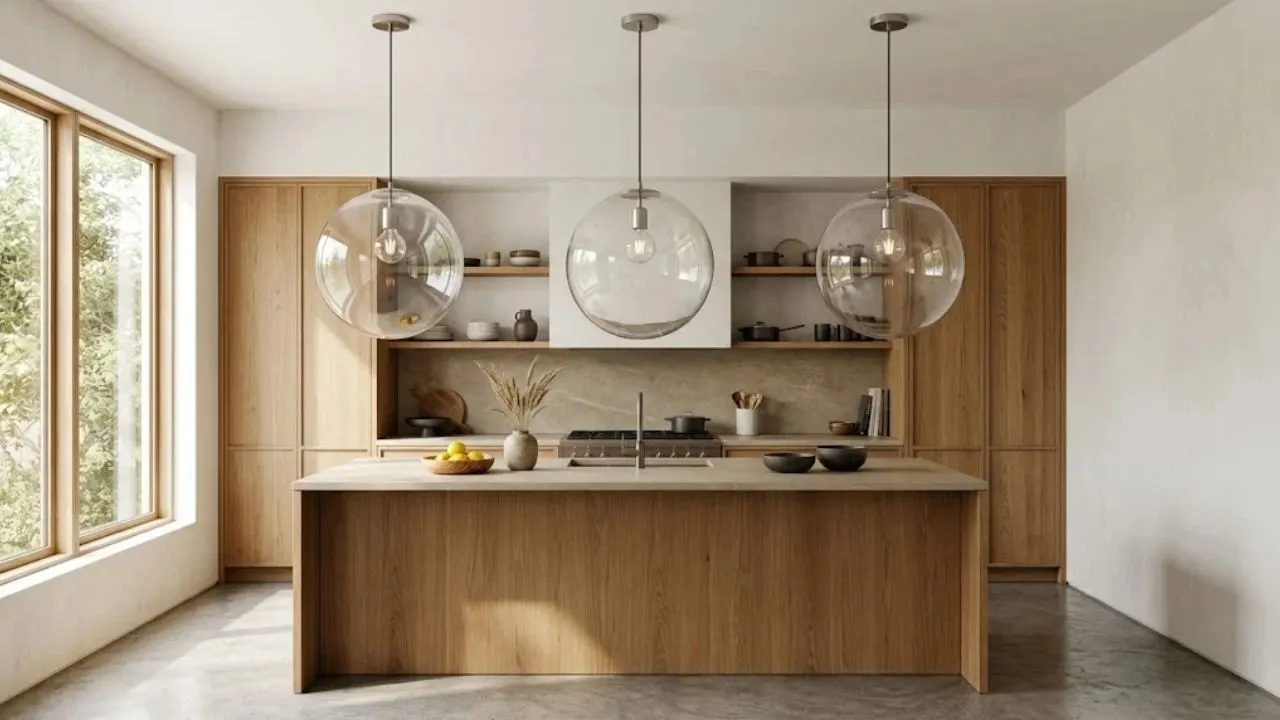
1. Clear Glass Globes Over a Kitchen Island
Clear glass globes suit kitchens where you want the lighting to feel open rather than visually heavy. Their transparent shades reveal the bulb and hardware, making the fixture part of the room’s design without blocking the view across the island.
For a balanced arrangement, consider two or three pendants over a longer island, depending on its length, the size of each shade, and the manufacturer’s installation guidance. A single larger pendant may work better over a compact island. Before purchasing, check the overall fixture width, hanging length, and how the pendants relate to cabinets and sightlines.
A clear glass globe pendant light can complement white cabinetry, pale oak, stone-look counters, or darker kitchen finishes. Choose a suitable bulb and shade design to manage glare, especially when people sit directly beneath the lights.
2. Brass and Glass for Warm Modern Interiors
A brass-finish stem or socket paired with a glass globe introduces a warm metallic accent. This combination can work with cream walls, natural wood, warm-toned countertops, and understated hardware.
The key is coordination rather than matching every metal in the room. If the kitchen already has brass cabinet pulls or a warm-toned faucet, repeating a similar finish in the pendant can create continuity. In a room with black or stainless-steel details, brass can instead serve as a deliberate contrast.
Check the product description carefully: a brass-colored finish does not necessarily mean the fixture is made from solid brass. Confirm the actual material and finish before buying.
3. Frosted Globe Pendants for Softer Light
Frosted or opal glass creates a more diffused appearance than clear glass. It can soften the visual impact of the bulb and help a dining room, bedroom, or sitting area feel calmer.
This is a useful option when the fixture will be visible at eye level or when you prefer a less exposed bulb. However, the shade alone does not tell you how bright the fixture will be. Light output depends on the lamp or integrated LED, fixture construction, and other specifications.
When comparing a frosted glass globe pendant light with a clear version, consider both its appearance when switched off and the quality of light it produces when switched on.
4. A Linear Row of Globes Over the Island
A linear arrangement creates a clear horizontal line above a kitchen island or long counter. It can help connect the lighting visually with the work surface beneath it.
Choose pendants that are appropriately scaled to the island. Globes that are too small may disappear against a large kitchen, while oversized shades can crowd the view or interfere with the overall composition. Consider the spacing between globes, the distance from the counter, and the position of nearby cabinets.
A row of matching pendants often looks most cohesive when the globe size, finish, and suspension style relate to one another. For a more relaxed look, vary the arrangement only when the fixture is specifically designed for that composition.
5. A Sculptural Cluster in the Entryway
A foyer offers an opportunity to use lighting as a visual focal point. A cluster of globe pendants can create movement and draw attention upward, especially in an entry with a high ceiling or a stairwell.
Choose the scale according to the available vertical space. A dramatic cluster may suit a double-height entry, while a compact grouping is more appropriate for a smaller foyer. Make sure the arrangement does not obstruct circulation, doors, or the main walking route.
A clustered glass globe pendant installation can be particularly effective with simple wall colors, a console table, a mirror, or natural materials. Keep the surrounding decoration restrained enough that the light remains part of a coherent design.
6. Smoked Glass for a Deeper, Moodier Look
Smoked glass introduces a gray, bronze, or other tinted appearance, depending on the actual product. It can work with walnut furniture, charcoal cabinetry, dark metal accents, and richer paint colors.
This finish is primarily a visual choice, so review the product’s light-output details rather than assuming that all smoked glass produces the same brightness. Tinted glass can change the appearance of the light source and the shade, and the effect varies by construction.
For rooms that need substantial illumination, compare the fixture’s specifications with the intended task. A smoked globe can provide a strong decorative accent, but it should not be expected to replace adequate task lighting simply because it looks substantial.
7. Ribbed or Fluted Glass for Added Texture
Ribbed glass introduces lines and surface detail to an otherwise simple globe or rounded shade. It can connect with fluted cabinetry, textured tile, reeded glass doors, or other repeated linear elements in a room.
This is a useful approach when a minimalist interior needs a little texture without introducing a new color. A ribbed glass pendant can be the main decorative detail above a dining table or island, particularly when the surrounding finishes are relatively quiet.
Look closely at the product photographs and specifications. Ribbed, seeded, and frosted glass are different treatments, and their appearance should not be treated as interchangeable.
8. A Pair of Pendants Beside the Bed
Pendant lights can free up bedside-table space and create a coordinated frame around the bed. Two matching globes—one on either side—can work particularly well with a simple headboard and compact nightstands.
Before choosing this arrangement, consider how each person uses the bedside area. A decorative globe may provide ambient illumination, but it may not deliver the focused light needed for reading. If reading is important, check the light distribution and consider a dedicated reading light as well.
Measure the bed, nightstands, and available ceiling height before choosing the fixture. Confirm that the pendant’s lowest point will not interfere with movement or the normal use of the bedside area.
9. A Dining Table Centerpiece
A glass globe pendant can visually anchor a dining table and make the eating area feel distinct from the rest of an open-plan room.
A single globe can suit a small round table. A longer rectangular table may work better with a linear fixture or a coordinated series of pendants. The right choice depends on the table’s dimensions, ceiling height, and the size of the fixture.
Aim for a composition that keeps the light connected to the table without overwhelming it. Also consider the view across the table: a globe that hangs too low or has an overly exposed bulb may become distracting during conversation.
For a dining room used for both everyday meals and entertaining, compatible dimming can be useful—but verify that the lamp, fixture, and dimmer are designed to work together.
10. A Minimalist Globe in the Living Room
A single globe pendant can add a clear focal point to a living room without competing with artwork, patterned upholstery, or a statement rug.
This approach is especially useful when the room already contains several visual features. Choose a finish that repeats one or two existing details, such as the tone of a side table, a metal floor-lamp base, or the color of nearby hardware.
A pendant should not be expected to do every lighting job in a living room. Combine it with suitable floor lamps, table lamps, wall lights, or other ambient sources according to how the space is used. This layered approach gives you more flexibility for reading, relaxing, and entertaining.
11. Black Hardware for Contemporary Contrast
Black hardware creates a stronger outline around a glass globe. It can complement black window frames, dark kitchen fittings, modern furniture, and monochrome interiors.
The contrast is useful when an otherwise pale room needs a defined accent. In a darker room, the same fixture may blend into the background, allowing the glass itself to become more prominent.
Compare the finish with the room’s existing materials and check whether the hardware is matte, satin, polished, or textured. These finishes can look noticeably different under natural and artificial light.
A black-and-glass pendant also provides a way to connect modern lighting with warmer materials, including oak, linen, and travertine-inspired surfaces.
12. A Globe Pendant Above a Kitchen Sink
A pendant above a kitchen sink can help define the work area and add a decorative element to a window-facing counter or a sink located away from the main island.
Before choosing a fixture, consider the sink’s location, cabinet doors, window views, and potential splashes. Do not assume that a decorative glass pendant is suitable for every position near water. Check the manufacturer’s intended use and the relevant electrical requirements for the installation location.
For practical kitchen use, evaluate brightness and light distribution alongside appearance. A globe that looks attractive in a photograph may not provide the task lighting you need, so assess the fixture specifications and the room’s other light sources.
13. A Small Globe in a Reading Nook
A compact globe pendant can help define a reading corner without taking up the floor space required by a standing lamp. It can work above a small side table or near a lounge chair when the ceiling and furniture layout permit.
Think about the direction and quality of the light. A decorative globe may create a pleasant pool of illumination, but its suitability for reading depends on the bulb, shade, mounting position, and light distribution.
If you prefer to read for long periods, pair the pendant with an appropriate task light rather than relying on its appearance alone. This combination allows the globe to provide atmosphere while a separate source illuminates the book.
14. Organic Materials With Travertine and Natural Wood
Glass globes can soften the strong visual texture of natural materials. A simple pendant with restrained hardware can complement travertine surfaces, pale stone, oak furniture, linen, or plaster-style walls.
For a modern home décor scheme, the contrast between smooth glass and textured stone can create interest without introducing many colors. Travertine Lighting focuses on the modern home décor and lighting space, where material relationships and considered fixture selection are important parts of the overall look.
This is a design pairing, not a claim that every pendant in this style contains travertine. If you want genuine natural stone in a fixture, verify the material description on the specific product page rather than assuming that an image or color palette confirms its construction.
15. A Multi-Globe Statement Fixture
For a room that needs a larger focal point, a multi-globe pendant can combine several rounded shades into one composition. Depending on its design, it may work over a dining area, in a tall foyer, or within an open-plan living space.
The arrangement should relate to the room’s proportions. A wide fixture may suit a large table, while a vertically arranged cluster can take advantage of a high ceiling. Keep nearby decorative elements in proportion so the fixture has enough visual space.
Before purchasing, review the overall dimensions, suspension length, number of light sources, and mounting requirements. Do not assume that every multi-globe design provides uniform illumination or supports dimming; check the documented specifications.
How to Choose the Right Glass Globe Pendant Light
The strongest design is one that works visually and practically. Use these checks before ordering.
Compare glass finishes
- Clear: keeps the bulb and internal hardware visible and has an open appearance.
- Frosted or opal: softens the visual presentation of the light source.
- Smoked or tinted: adds color and visual depth; check the actual light-output specifications.
- Ribbed or fluted: adds texture and can echo linear details elsewhere in the room.
These are general design descriptions. The effect varies with the actual glass, bulb, and fixture construction.
Check brightness and color temperature
Brightness is measured in lumens, not watts. Watts indicate power consumption, so two bulbs with different wattages may produce similar amounts of light. ENERGY STAR explains this distinction in its guide to understanding brightness and lumens.
Color temperature is measured in kelvin (K). Lower values generally look warmer, while higher values appear cooler. The U.S. Department of Energy’s guide to choosing energy-efficient light bulbs explains lumens, color appearance, color rendering, and the importance of checking compatibility when selecting bulbs and dimming controls.
Choose specifications based on the room’s purpose and existing lighting, not on the globe’s appearance alone.
Measure the room and fixture
Record the island, table, or area the pendant will serve. Check the fixture’s width, total drop, ceiling height, and the distance to doors, cabinets, windows, and normal walking paths. Use the manufacturer’s instructions for final placement rather than applying one hanging-height rule to every room.
Confirm installation requirements
Before purchasing, check whether the fixture is hardwired or plug-in, what electrical supply it requires, whether bulbs are included, and what mounting hardware is supplied. Confirm that the ceiling box and mounting arrangement are suitable for the fixture’s weight.
For hardwired lighting or uncertain electrical conditions, consult a qualified electrician. The Electrical Safety Foundation International recommends qualified professional help for electrical work in the home; see its DIY electrical safety guidance.
Common Mistakes to Avoid
- Choosing by appearance alone: A globe’s shape does not tell you its brightness, bulb compatibility, or suitability for a particular room.
- Using too many competing finishes: Glass, brass, black metal, marble, travertine, and wood can work together, but repeating a small number of materials usually creates a more coherent look than introducing every finish at once.
- Ignoring the rest of the lighting plan: A pendant may provide ambient or localized illumination, but a kitchen, living room, or reading area may need additional task and accent lighting.
- Assuming every fixture is dimmable: Check the specifications for the light source and the control system before planning dimmed scenes.
- Overlooking installation details: Verify the fixture’s dimensions, weight, mounting requirements, intended use, and electrical compatibility before ordering.
Explore Modern Lighting With Travertine Lighting
A glass globe pendant can suit a wide range of interiors, from a clean-lined kitchen to a warm dining room or a calm bedroom. The most successful choice balances the globe’s shape and finish with room proportions, practical lighting requirements, and the materials already in the space.
Travertine Lighting is a modern home décor and lighting space for people exploring considered lighting and interior styling. As you compare options, review the actual product specifications and choose a fixture that meets the needs of your room as well as your design preferences.
Final Takeaway
The right glass globe pendant is more than a decorative shape. It should suit the room’s scale, complement the surrounding finishes, provide appropriate light, and meet the requirements of the installation. Start with the room’s purpose, compare finishes and proportions, and verify the product specifications before making your final choice.
Frequently Asked Questions
Q. Where does a glass globe pendant light work best?
It can work over kitchen islands, dining tables, in entryways, bedrooms, and living rooms when the fixture’s dimensions, light output, and installation requirements suit the space.
Q. Is clear or frosted glass better?
Clear glass has a transparent look and exposes the bulb, while frosted or opal glass softens the appearance of the light source. The better choice depends on the visual effect you want and the fixture’s actual light distribution.
Q. Can globe pendants be used over a kitchen island?
Yes, if the fixture is designed for the intended installation and its dimensions, brightness, and suspension height suit the island. Check manufacturer instructions and allow for clear sightlines and safe movement.
Q. Are glass globe pendants suitable for bedrooms?
They can be used as decorative or ambient lighting. If you read in bed, verify that the fixture provides suitable task lighting or pair it with a dedicated reading light.
Q. What should I check before buying a pendant light?
Check the overall dimensions, materials, light source, lumens where provided, color temperature, bulb base, dimming compatibility, voltage, installation type, mounting requirements, and intended use. Do not assume a specification that the manufacturer has not documented.
Q. Can a glass globe pendant light work with travertine interiors?
Yes. Smooth glass can provide a visual contrast to the texture of travertine and other natural materials. Choose a finish that complements the room and verify the material construction of any product described as natural stone.